

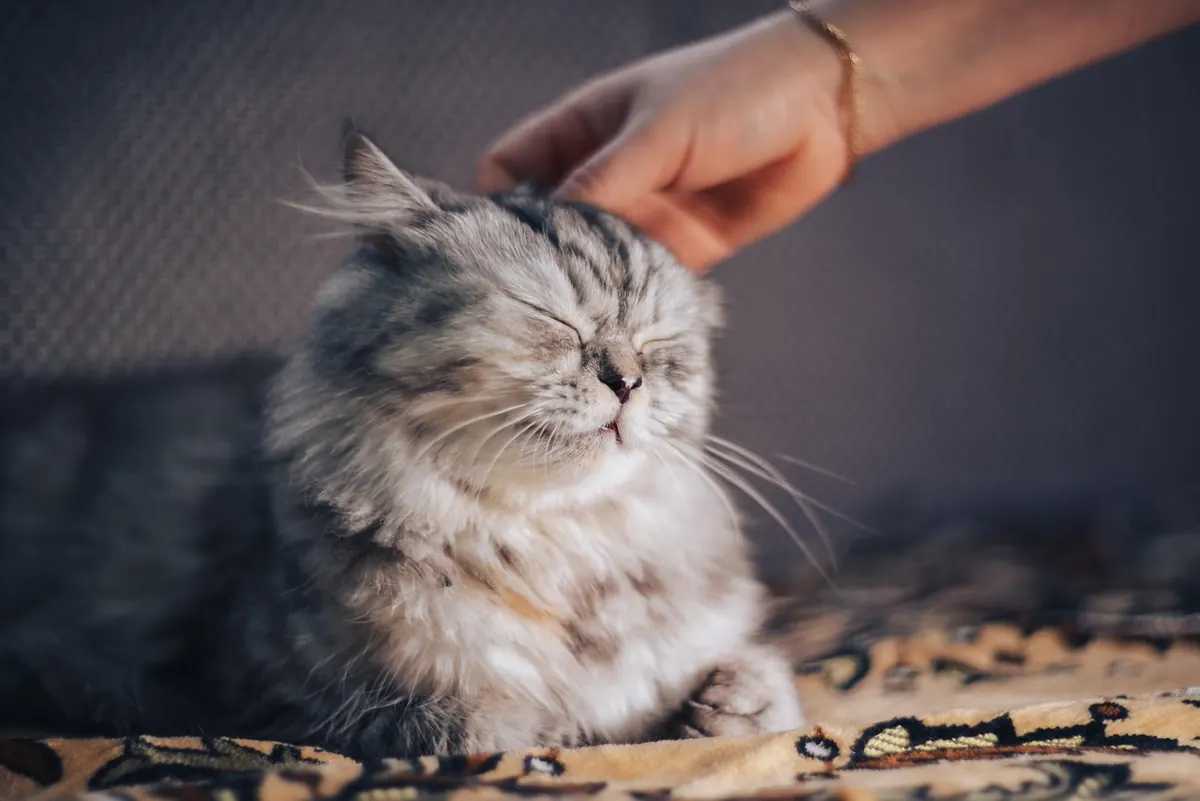
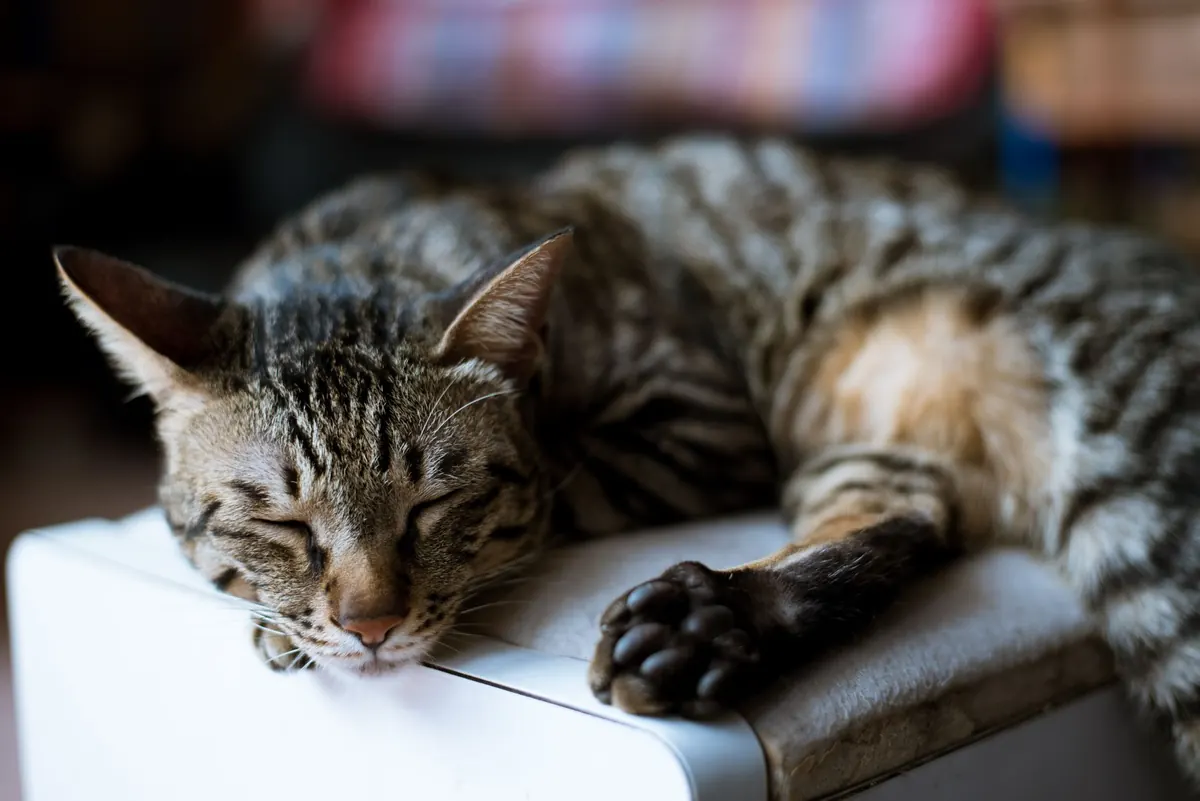

A cat stretched out on the bathroom tile, paws splayed, belly pressed to the coolest surface in the house, is a familiar summer picture. It is also a small warning. Cats are quiet about discomfort, and heat stress rarely announces itself until a cat is genuinely struggling. The good news is that keeping a cat safe in hot weather comes down to a handful of habits: water, airflow, shade, timing, and knowing which signs mean you need to call the vet right away.
Why Heat Hits Cats Harder Than It Looks
Cats descend from desert hunters, which leads plenty of people to assume they shrug off summer. Their bodies work differently from ours, though. A cat's sweat glands are concentrated in the paw pads, so sweating does almost nothing to cool them. Instead, cats rely on two quiet strategies: panting, and spreading saliva over their fur so it evaporates and pulls heat away. Both work far better in dry air than in humidity.
A cat's normal body temperature also runs higher than a human's, which means your hand is a poor thermometer. A cat can feel warm and be perfectly fine, or feel normal while quietly overheating. Older cats, overweight cats and flat-faced breeds such as Persians, Himalayans and Exotic Shorthairs move air less efficiently, and that puts them at higher risk when the temperature climbs.
Warning Signs of Heatstroke in Cats
Early signs
- Panting that continues while the cat is resting, or panting on a hot day at all
- Thicker drool than usual, or drooling when the cat isn't relaxed or nauseated
- Restlessness, pacing, or hunting for hard cool surfaces like sinks, tile and countertops
- Bright red gums and tongue, warm ears, faster breathing
- Unusual grumpiness when touched or moved
Signs that mean emergency
- Staggering, wobbling, or a drunk-looking walk
- Glazed eyes, confusion, or not responding to your voice
- Vomiting or diarrhea
- Tremors, twitching, collapse, or seizures
- Gums that look pale, grey, or bluish
One note on panting: cats do occasionally pant after wild play or a stressful car ride, and that can be normal for a minute or two. Panting that continues, or that happens on a warm day without exertion, is a red flag.
If you suspect heatstroke, act first
- Move the cat into the coolest room you have — air conditioning, a basement, or in front of a fan.
- Wet the fur with cool (not ice-cold) water, focusing on the paws, belly, armpits, groin and the back of the neck.
- Lay a damp towel over the cat, or let them stand on one. Keep it damp, not dripping.
- Offer small amounts of cool water in a bowl. Never squirt water into a distressed cat's mouth.
- Call your vet or an emergency clinic and start driving. Heatstroke is life-threatening and home cooling alone is not treatment.
Avoid ice packs pressed directly against the skin and avoid ice baths. Extreme cold can constrict blood vessels and work against you. If you are unsure how serious things are, call a veterinarian — that call costs nothing and a delay can cost a lot.
Setting Up a Cool Base Camp at Home
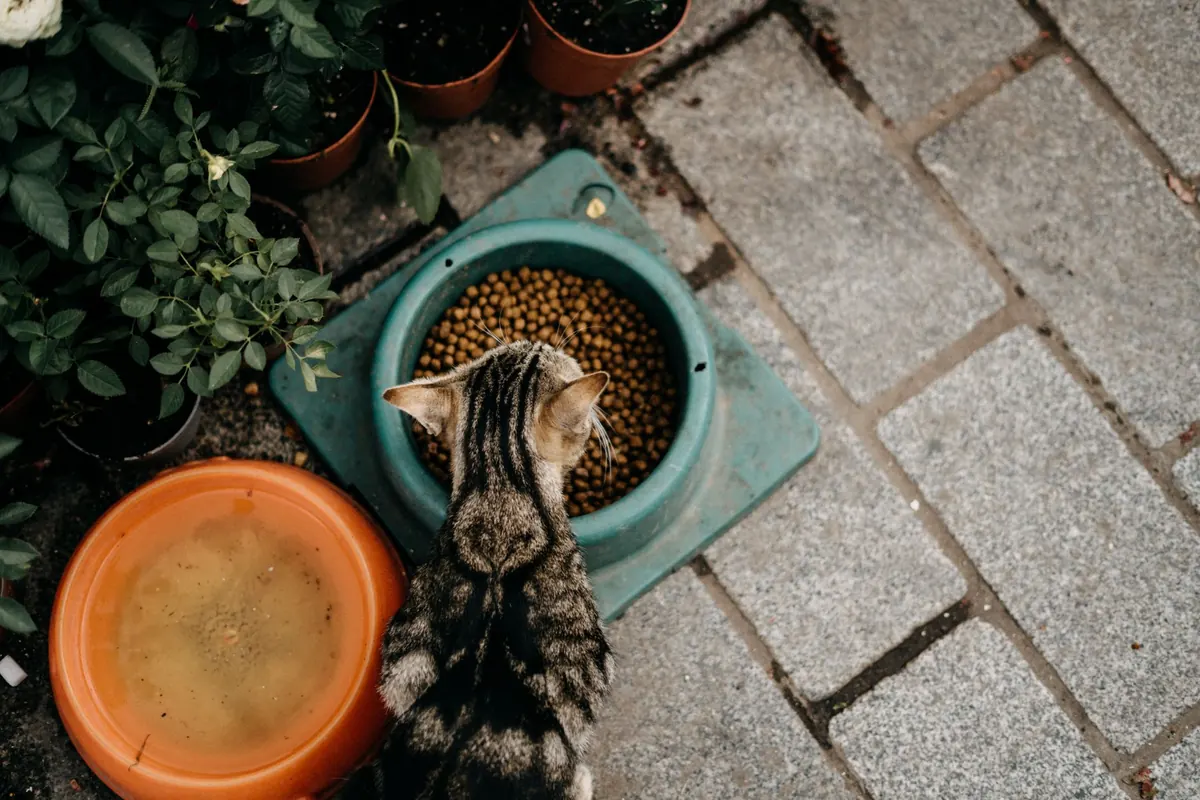
- Water in several places. Wide, ceramic bowls are easier on whiskers than deep narrow ones. Refresh twice a day and drop in a couple of ice cubes.
- Shade the sunny windows. Close blinds or pull curtains on west- and south-facing glass during the hottest hours.
- Use airflow well. A fan doesn't cool a cat the way it cools us, but moving air helps saliva and damp fur evaporate. Point it across the room rather than at the cat, and give them the option to leave.
- Offer a cool surface. A ceramic or marble tile, a cooling mat, or a frozen water bottle wrapped in a towel all work. So does a low-sided basket in a shaded spot.
- Rethink cardboard boxes. They hold heat. Swap the favourite box for something breathable in summer.
- Never leave a cat in a parked car. Not in the shade, not with windows cracked, not for five minutes.
Cooling Tricks Cats Actually Tolerate
The damp-cloth rubdown
Soak a washcloth in cool water, wring it out, and stroke it along the back, chest, behind the ears and over the paws. Most cats accept this far better than a bath, and it's usually all the cooling they need.
Frozen treats
Freeze plain water with a splash of tuna water or unsalted broth in an ice cube tray. A frozen cube on a plate keeps a bored indoor cat busy and adds a little moisture. Freeze a spoonful of wet food the same way for a cat who ignores ice.
Grooming, not shaving
Brush daily to pull out loose undercoat — matted fur traps heat against the skin. Resist shaving your cat down to the skin, though. The coat insulates against heat and protects against sunburn. If mats are severe, ask a groomer or your vet rather than tackling it with scissors.
Check the pavement
Press your hand to the sidewalk for five seconds. If it's too hot for your palm, it will burn paw pads. Walk cats who go outside in the early morning or after sunset.
Water, Food and Timing
Wet food is roughly three-quarters water, which makes it a useful summer tool even for cats who usually eat dry. Offer smaller meals during the hot part of the day and the main meal in the evening. A cat who eats less on a 95-degree afternoon is behaving normally; a cat who stops eating for a full day is not.
Watch for dehydration: gums that feel tacky rather than slick, skin that stays tented when gently pinched and released, and noticeably less urine in the litter box. Keep the box out of a hot garage or a stuffy closet, too. Cats will avoid a baking litter box, and that avoidance can turn into a house-soiling habit.
Cats Who Need Extra Care
Some cats need more than a fan. Pay closer attention to kittens and seniors, overweight cats, long-haired and dark-coated cats, and cats with heart, kidney, thyroid or respiratory conditions. Flat-faced breeds deserve special caution because they already struggle to breathe efficiently. Cats on medication can also regulate temperature differently, so ask your vet whether anything in their routine needs adjusting for summer.
For high-risk cats, treat the indoor temperature as part of their care. As a rule of thumb, if you're uncomfortable in a t-shirt, your cat probably is too, and keeping the house at or below about 27°C (80°F) is a sensible target when you can manage it.
Your Simple Summer Heat Routine
You don't need a complicated setup. Refresh the water bowls every morning, close the blinds before noon, brush your cat once a day, and move play sessions to early morning and late evening. Keep a damp washcloth in the fridge for the hottest afternoons and a frozen treat in the freezer for distraction.
Then learn the two things that matter most: what early heat stress looks like in your particular cat, and the phone number of a vet who can see them quickly. If your cat is panting at rest, wobbly, drooling heavily or unresponsive, cool them with room-temperature or cool water on the way to the clinic and call ahead so the team is ready. Anything you're unsure about — a medication question, a chronic condition, a cat who just seems off in the heat — is worth a call to your veterinarian rather than a guess.
Photo: zakibmsr / Pixabay